Summer is camping season. Whether you’re travelling by campervan, caravan or tent, it’s easy to focus on the adventure and overlook an important safety risk: carbon monoxide (CO).

Carbon monoxide is a poisonous gas produced when fuels such as gas, diesel, petrol, wood or charcoal don’t burn completely. Because it has no colour, smell or taste, it can build up without warning – particularly in enclosed spaces like campervans, caravans and tents.
Camping often involves fuel-burning appliances, making it especially important to understand where CO can come from and how to stay safe.
Common Sources of Carbon Monoxide in Campervans
Most campervans include appliances that rely on combustion, which means CO can be produced if something goes wrong or equipment is used incorrectly.
- Gas stoves and hobs – Always cook with good ventilation and never use them for heating.
- Diesel heaters – Have them installed correctly and serviced regularly.
- Gas boilers and water heaters – Keep appliances well maintained.
- Vehicle exhausts – Avoid running your engine while parked, especially if windows or vents are open.
BBQs, Fire Pits and Campfires
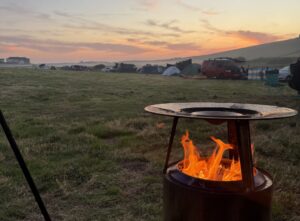
Nothing beats relaxing around a BBQ or campfire after a day outdoors, but these can remain dangerous long after the flames have gone out.
Charcoal and smouldering embers can continue producing carbon monoxide for many hours. Never bring a BBQ, fire pit, campfire – or their cooling embers – into a tent, awning, campervan or caravan, even if they appear to be extinguished.
If it was burning outside, it stays outside.
Tent Campers Are Not Immune
Carbon monoxide isn’t just a campervan risk.
Using portable gas stoves inside tents, placing BBQs too close to sleeping areas or trying to stay warm with fuel-burning appliances can all create dangerous levels of CO.
Good ventilation and safe use of equipment are just as important under canvas as they are in a motorhome.
Know the Symptoms
Early signs of carbon monoxide poisoning include:
- Headache
- Dizziness
- Nausea
- Tiredness
- Confusion
If several people develop these symptoms together, or they improve after moving into fresh air, leave the area immediately and seek medical help.
Protect Yourself
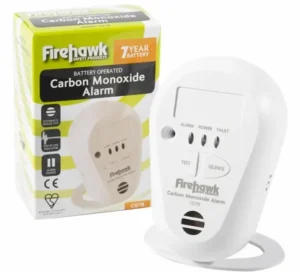
A carbon monoxide alarm is essential in any campervan or caravan.
Many people now choose multi-gas alarms designed specifically for leisure vehicles, which can detect carbon monoxide alongside other potentially harmful gases. Whichever alarm you choose, make sure it’s suitable for your vehicle, test it regularly and replace it when recommended by the manufacturer.
Simple Safety Tips for Every Trip
Before you head off this summer:
✅ Test your carbon monoxide or multi-gas alarm
✅ Check gas appliances, heaters and boilers regularly
✅ Keep vents clear
✅ Never use camping stoves or BBQs for heating
✅ Never bring a BBQ inside any enclosed space
✅ Avoid running your vehicle engine unnecessarily while parked
Enjoy the Adventure, Safely
Campervan travel is all about freedom, unforgettable views and making memories.
A few simple safety checks take only minutes but could save lives. Test your alarm, maintain your appliances and enjoy your next adventure with complete peace of mind.
The best adventures are always the ones you come home from.