
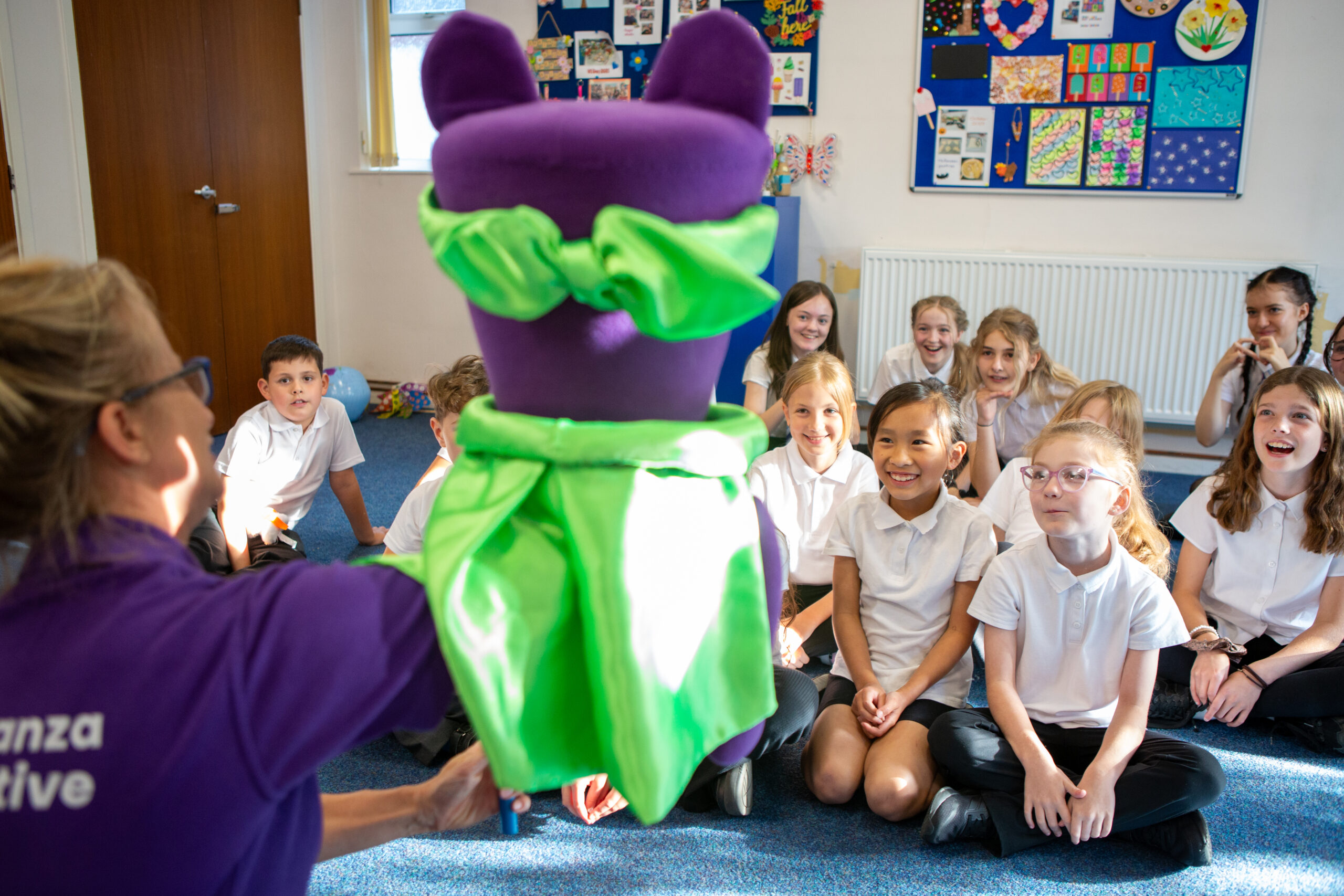
Pedagogy sits at the heart of everything we do at Bonanza. It’s the reason our programmes look and feel the way they do, and it’s what separates genuine learning design from simple content delivery. In this post, we explain what pedagogy means to us, how creativity drives it, and why every creative choice in a Bonanza programme is intentional rather than incidental.
What Do We Mean by Pedagogy?
Pedagogy is the method and philosophy behind how teaching and learning happen. If curriculum or topic is what is being taught, pedagogy is how it is taught, and the thinking behind that approach.
At Bonanza, pedagogy shapes:
-

what we believe about how people learn
- how we design learning experiences
- what role the teacher, facilitator or learner takes
- what strategies, activities or environments support learning
- why we teach in a particular way
A pedagogy might be built on beliefs such as:
- children learn best through play and exploration
- learners develop understanding through collaboration and discussion
- creativity grows when people are encouraged to be curious, imaginative and persistent
- learning is stronger when it connects to real-life experience
- the facilitator’s role is to guide, prompt and create conditions for discovery, rather than simply deliver information
Why Pedagogy Matters at Bonanza
The choices we make in a Bonanza programme are never just decorative or incidental.
The films we create, the characters we develop, the visual worlds we build, and the way our facilitators guide children through activities are all part of a considered learning approach. They shape how children enter a topic, how they connect emotionally and imaginatively, how they remember key messages, and how they participate in the learning.
In other words, theory helps us explain the why behind our creative choices. Short films, illustrated characters, repeated visual imagery, storytelling, discussion, movement making and live facilitator-led delivery aren’t separate elements, together, they create a coherent learning experience designed to be accessible, memorable, inclusive and engaging.
Three Connected Ways of Understanding Bonanza’s Approach
Rather than treating each theory separately, it’s more useful to think about Bonanza’s approach through three connected areas. Together, they explain how creative media and facilitator-led delivery combine to support learning in schools.
1. Learning Through Many Forms of Communication
Including film, image, sound, movement, visual design, drama and repeated creative cues.
2. Learning Through Character, Story and Identification
Where children connect with figures, narratives and worlds that feel “playful,” relatable or aspirational.
3. Learning Through Live, Creative Participation
Where facilitators invite children to explore, discuss, question, make, move, collaborate and respond using their metacognition.
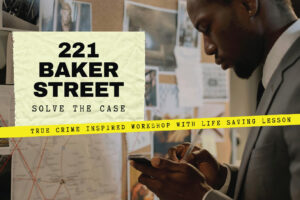
Together, these three areas show that Bonanza’s programmes are not simply a collection of resources or activities. They’re designed as joined-up learning experiences, where films, characters, imagery, storytelling and live facilitation all play a role in helping children access ideas, make meaning and take part confidently.
Creativity Is Not an Added Extra: It’s How Learning Happens
Key points:
-
- Creativity supports curiosity and engagement.
- Creative approaches encourage learners to make connections.
- Learners become active participants rather than passive recipients.
- Creativity creates emotional connection, which strengthens learning.
At Bonanza, this belief underpins not only what we teach but how we facilitate learning. We deliberately create opportunities for participants to explore, question, collaborate and reflect through creative approaches that encourage active engagement with ideas and concepts. These approaches are more than methods for capturing attention, they are powerful learning strategies that help learners make meaning, develop confidence and deepen their understanding.
In practice, this means designing learning experiences that encourage participation, reflection and discovery through a range of creative approaches, each with a distinct role to play in supporting meaningful learning.
Six Creative Approaches That Power Bonanza’s Learning Experiences
Storytelling
Stories help learners connect with ideas on a personal and emotional level. Whether through books, character-led scenarios or real-life examples, storytelling creates memorable learning experiences that help participants understand complex topics, see different perspectives and make sense of new information.
Role Play
Role play allows learners to step into situations, test ideas and explore different viewpoints in a safe and supportive environment. By experiencing challenges and decision-making for themselves, participants can develop confidence, empathy and critical thinking skills in ways that traditional teaching methods may not always achieve.
Discussion
Meaningful discussion encourages learners to share opinions, question assumptions and build understanding together. Through facilitated conversations, participants develop communication skills, learn to articulate their thinking, and gain confidence in expressing and exploring different perspectives.
Arts-Based Methods
Creative activities such as drawing, movement, drama and music provide alternative routes into learning. They help learners express ideas that may be difficult to communicate verbally, while also fostering imagination, curiosity and deeper reflection.
Practical Problem Solving
When learners are presented with real-world challenges, they have the opportunity to apply their knowledge in meaningful ways. Practical problem solving encourages participants to experiment, evaluate options and learn through trial and improvement, helping them develop resilience and adaptability alongside subject knowledge.
Collaborative Activities
Working with others in pairs or small groups enables learners to share ideas, listen to different viewpoints and build solutions together. Collaborative activities promote teamwork, communication and collective creativity, helping participants recognise the value of diverse experiences, skills and perspectives.
Moving Beyond Passive Participation
Together, these approaches move learners beyond passive participation and into active exploration. They are not simply techniques for keeping people engaged, they are intentional learning strategies that support creativity, metacognition and deeper, more meaningful learning.
Creativity is just one of the many pedagogical principles that shape how we design and facilitate learning experiences at Bonanza. Through thoughtful design and skilled facilitation, we can help learners move beyond simply receiving information to questioning, exploring, creating and applying it.
This is just one aspect of the pedagogical thinking that underpins our work. In future blogs, we’ll explore some of the other theories and frameworks that underpin our practice, including oracy, experiential learning, social learning and the role of learner voice in creating lasting and meaningful learning experiences.
Further Reading
- Voice 21: The Oracy Framework
- Education Scotland (2025). Curriculum for Excellence. Scotland’s Curriculum for Excellence aims to develop all learners as Successful Learners, Confident Individuals, Responsible Citizens and Effective Contributors, placing creativity, innovation and active participation at the heart of learning. Available at: education.gov.scot/curriculum-for-excellence (Accessed: 13 August 2026)
